

Objective
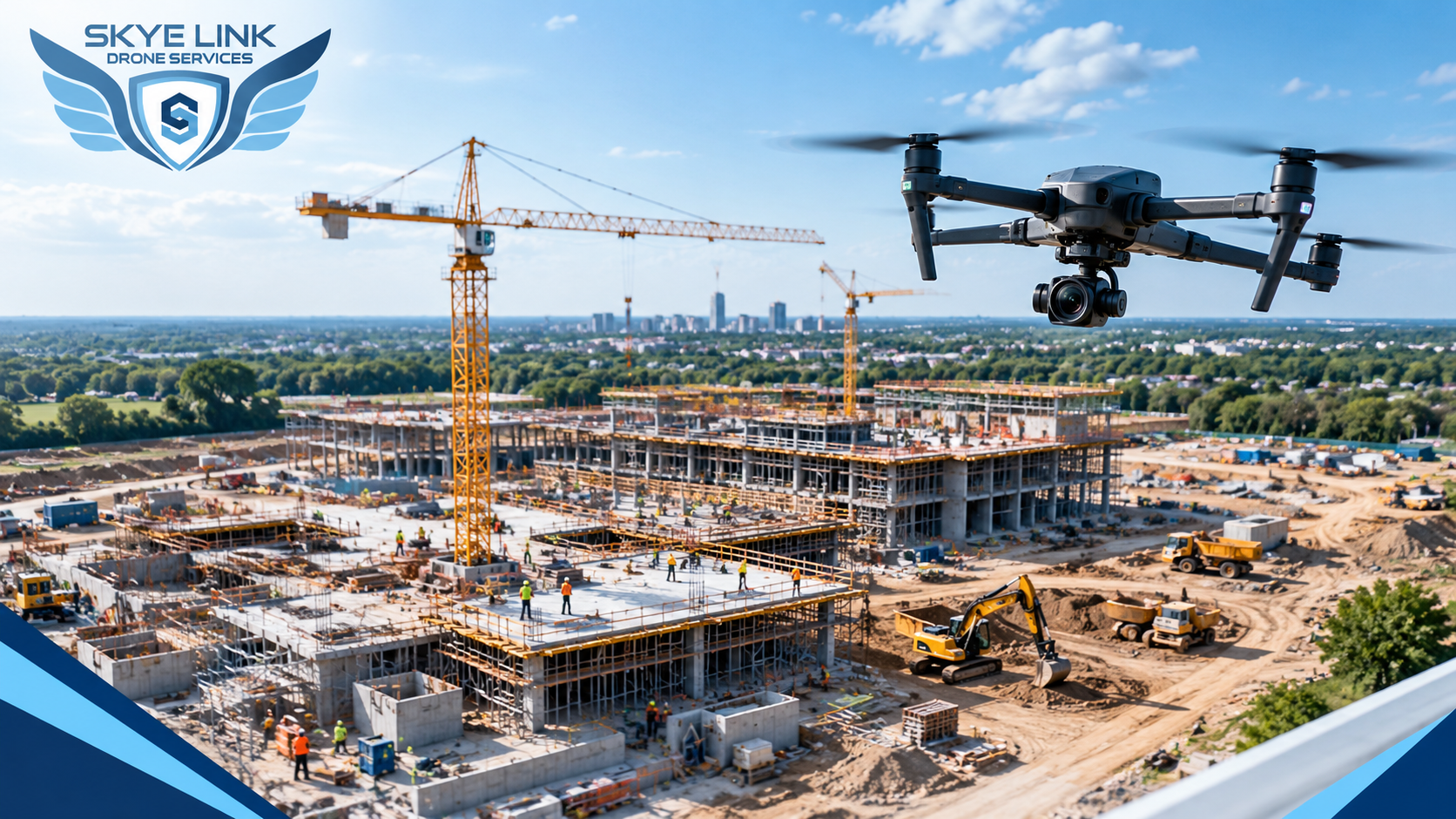
This guide explains how drone filming for construction progress monitoring helps project teams track every stage of a build with greater speed and accuracy. You’ll discover the key benefits of using aerial video and imagery to document job sites, cut down on manual walkthroughs, and keep every stakeholder aligned. With drone filming built into your workflow, delays get caught earlier, communication improves, and project owners gain a clear visual record from groundbreaking to completion.
Key Takeaways
Keeping track of a construction project’s progress has always relied on site visits, written reports, and ground-level photos. These methods work, but they’re slow, and they rarely capture the full picture of a large or fast-moving site. A single walkthrough might miss a drainage issue on the far side of a lot or a stalled delivery blocking equipment access.
Did You Know? A single drone flight can cover several acres of a construction site in minutes, something that would take a team hours to document manually with handheld cameras.
This is where drone filming for construction progress comes in. By capturing aerial video and photos at consistent intervals, project managers, contractors, and developers get a reliable visual timeline of the build, without needing to physically cover every inch of the site themselves.
Below are seven benefits of using drone filming to monitor construction progress, and why more project teams are making it part of their standard reporting process.
Ground-level inspections only show a narrow slice of a job site at a time. Drone filming for construction progress captures the entire site in a single flight, giving project managers a full view of grading, framing, equipment placement, and material staging all at once.
This is especially valuable for:
A single aerial pass can reveal issues that would otherwise require walking the entire perimeter.
One of the biggest advantages of drone filming is consistency. When flights are scheduled on a regular cadence, the same angles and areas are captured every time, making it easy to line up footage side by side and see exactly what changed.
This kind of visual comparison helps teams:
Instead of relying on memory or scattered photos, teams get a clear, chronological video record of the entire build.
Property owners, investors, and remote stakeholders often can’t visit the site as often as they’d like. Drone footage bridges that gap by giving them an accurate, easy-to-understand view of progress without needing to be on-site.
Sharing short aerial video updates instead of long written reports:
A two-minute flyover often communicates more than several pages of a written report.
When problems are caught late, they tend to be more expensive to fix. Drone filming for construction progress gives project managers a way to spot red flags early, whether that’s a stalled subcontractor, a drainage problem, or materials sitting in the wrong location.
Because aerial footage covers the whole site, it’s easier to notice:
Catching these issues days or weeks earlier can prevent costly downstream delays.
For project managers overseeing multiple job sites, physically visiting each one on a regular basis isn’t always practical. Drone filming allows teams to monitor progress remotely, cutting down on travel time while still maintaining close oversight.
Traditional Site Visits
Drone Filming
Time spent driving between sites
Footage reviewed remotely
Limited to one perspective at a time
Full aerial coverage per flight
Harder to revisit past conditions
Footage archived for later reference
Higher travel and labor cost
Lower ongoing monitoring cost
This frees up project managers to focus on decision-making rather than logistics.
Construction sites carry inherent risks, and documenting site conditions from the ground can sometimes mean walking through active work zones, scaffolding, or uneven terrain. Drone filming allows teams to capture high-risk or hard-to-reach areas, such as rooftops, tall structures, or excavation zones, without putting anyone in harm’s way.
This also creates a useful record for:
Beyond day-to-day monitoring, drone filming creates a complete video archive of a project from start to finish. This record has long-term value well after the ribbon-cutting.
A full project archive can be used for:
Few other documentation methods leave behind such a detailed, visual history of a project’s lifecycle.
Drone filming for construction progress has moved from a nice-to-have to a practical tool for construction teams managing complex, fast-moving sites. From faster site coverage to better stakeholder communication and early issue detection, the benefits add up quickly, especially on larger projects where every day of delay carries real cost.
If your team is still relying solely on manual walkthroughs and written updates, incorporating regular drone flights into your progress monitoring routine is one of the simpler upgrades you can make to improve visibility, safety, and decision-making across a project.


Learn how professional drone inspection companies help businesses improve safety, accuracy, efficiency, and inspection results.
Read article →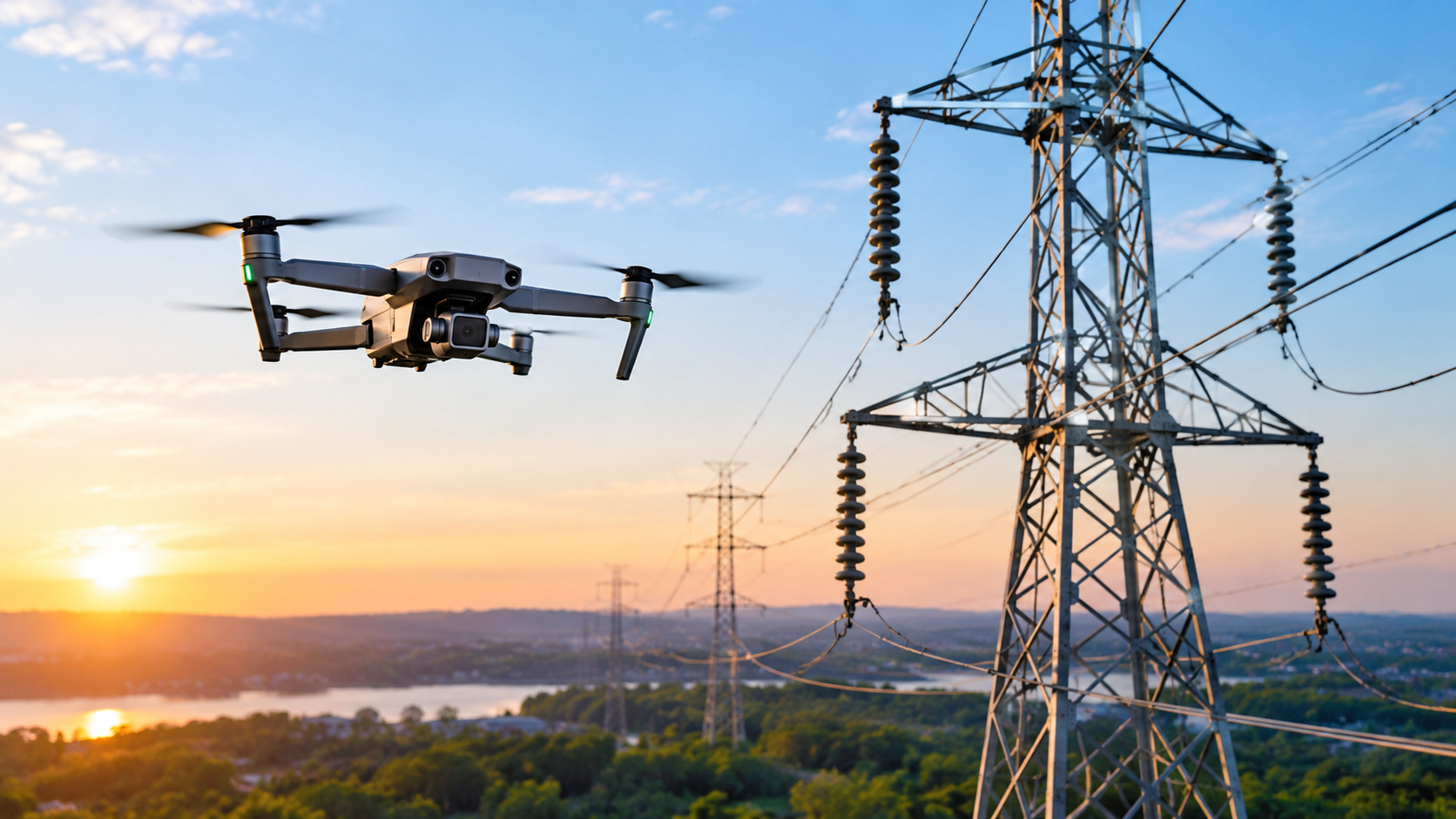
Learn how drones improve aerial utility inspections with faster data collection, enhanced safety, accurate monitoring, and more efficient asset management.
Read article →Share your project details and the Skye Link team will recommend the right scope, deliverables, and next steps - usually within 24 hours.
Your operating partner for managed drone data solutions, serving solar, utility, construction, engineering and commercial real estate teams nationwide.Visit skyelink.org
520 Elliot St, Suite 500, Charlotte, NC 28202
(704) 594-5177
contact@skyelink.org